Top Research Peptides for Weight-Loss Studies (2026)
A comparative overview of the leading incretin-based peptides used in metabolic and obesity research in 2026, including Retatrutide, Tirzepatide, and Semaglutide.

Metabolic research has undergone a significant shift over the past several years. Incretin-based peptide compounds have moved to the center of obesity and body-composition science, offering investigators tools to probe multiple regulatory pathways simultaneously. This guide surveys the principal research peptides currently studied in weight-regulation models, explains the receptor biology underlying their effects, and outlines the criteria researchers use when selecting compounds for experimental protocols.
Key Peptide Compounds in Weight-Regulation Research
The compounds below represent the most active areas of investigation within the metabolic peptide field as of 2026. Each operates through distinct receptor-targeting strategies, and the differences in mechanism translate directly into differences in the data they generate.
Tirzepatide
Tirzepatide is a dual-receptor agonist with affinity for both the glucose-dependent insulinotropic polypeptide (GIP) receptor and the glucagon-like peptide-1 (GLP-1) receptor. By engaging both incretin arms at once, the compound produces concurrent effects on appetite signaling and insulin sensitivity that neither pathway could achieve independently. In preclinical and early clinical research settings, subjects in Tirzepatide protocols have exhibited pronounced reductions in body mass, and the compound is frequently positioned as a reference standard in comparative metabolic studies. Its simultaneous activation of two incretin axes has made it a benchmark against which newer multi-receptor agents are evaluated.
Semaglutide
Semaglutide is a selective GLP-1 receptor agonist distinguished by its extended plasma half-life, a property that supports weekly dosing schedules in research protocols. Its mechanism centers on the GLP-1 pathway: modulation of appetite-related signaling in the central nervous system, slowing of gastric transit, and improvements in glucose homeostasis. Semaglutide has accumulated one of the largest bodies of published literature among all weight-regulation peptides, making it a well-characterized reference compound for investigators designing studies that require robust historical comparison data.
Retatrutide
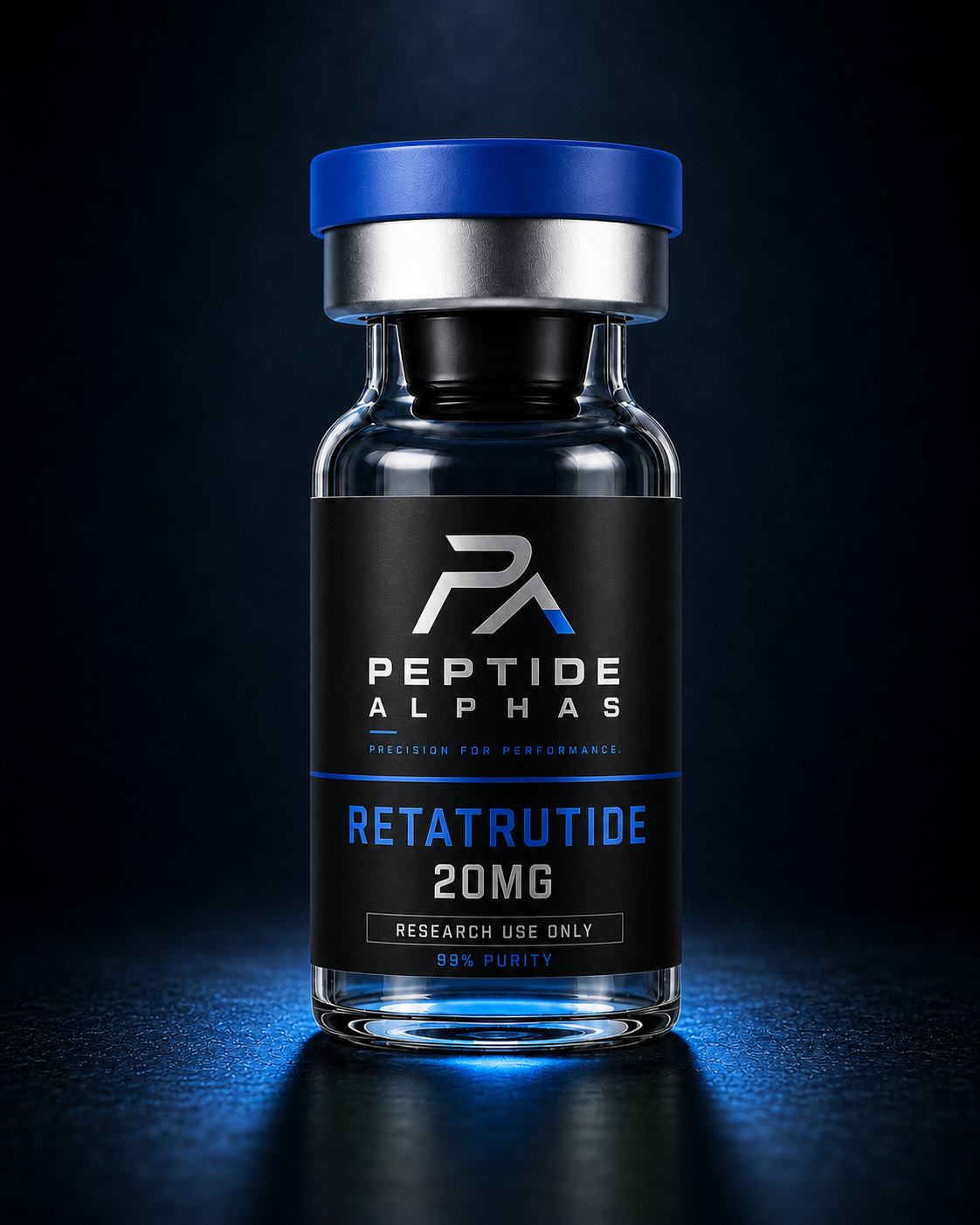
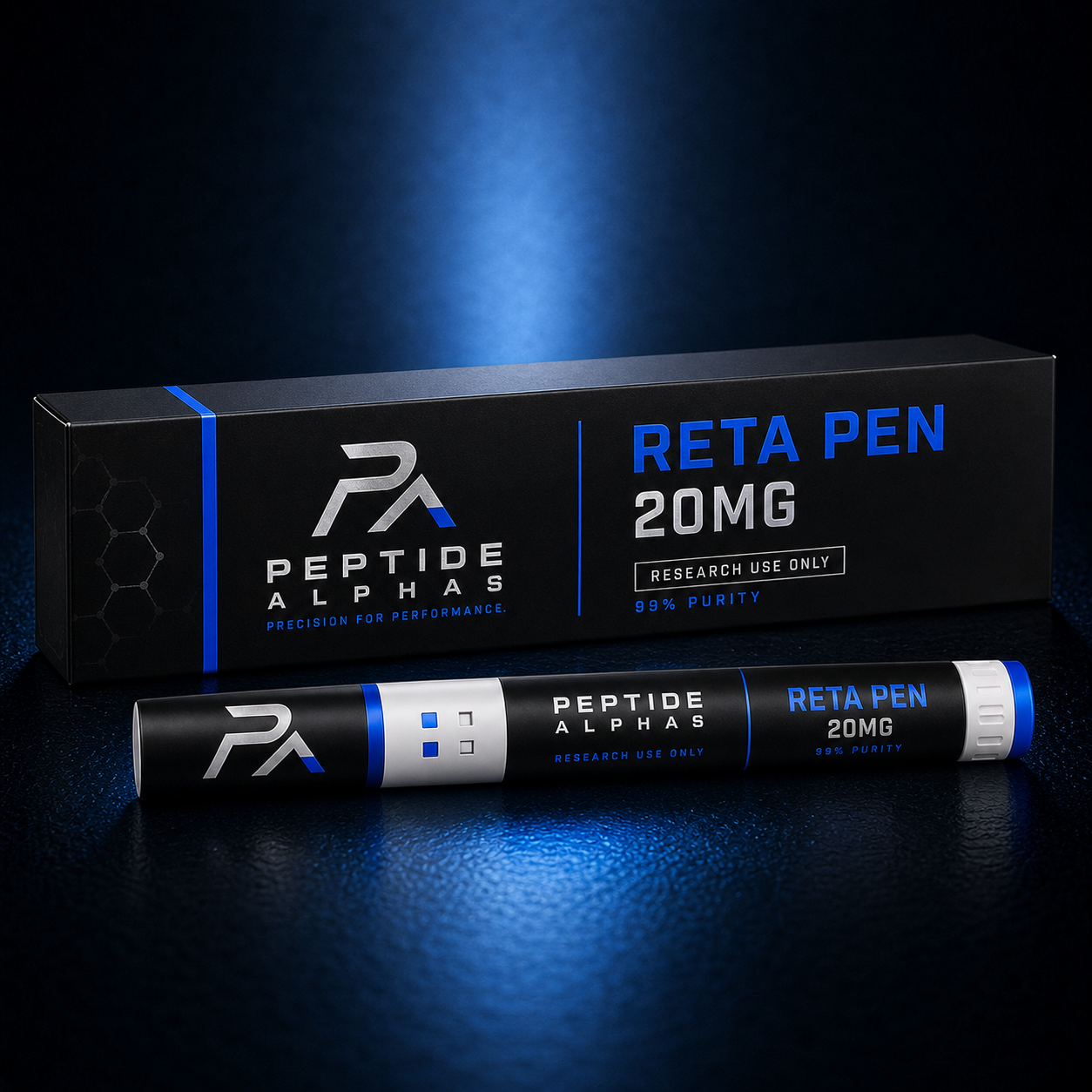
Retatrutide is a triple agonist targeting three receptors simultaneously: GIP, GLP-1, and the glucagon receptor. This triple-receptor engagement is the most mechanistically complex strategy currently under investigation in the weight-regulation space. By incorporating the glucagon receptor alongside the two incretin receptors, Retatrutide introduces a direct energy-expenditure component that is absent in single and dual agonists. Phase 2 trial data reported reductions in body weight that exceeded those observed with any prior compound in comparable timeframes, which has driven substantial interest from research groups studying metabolic phenotypes and body-composition endpoints. Retatrutide is available from Peptide Alphas in vial and pen formats for qualified laboratory research.
Survodutide
Survodutide is a dual agonist targeting both the GLP-1 receptor and the glucagon receptor, a pairing that combines appetite-regulatory effects with a direct influence on energy balance. Preclinical models have highlighted its potential utility in protocols investigating visceral adiposity, where the glucagon component may contribute to preferential effects on intra-abdominal fat depots. Survodutide remains an active area of investigation, and comparative studies against GLP-1-only agents continue to generate data relevant to mechanism-of-action research.
Mazdutide
Mazdutide is also a dual GLP-1 and glucagon receptor agonist. Its research profile has developed primarily through studies conducted in Asian populations, where it has demonstrated meaningful effects on metabolic parameters. The compound adds to the growing body of evidence supporting glucagon co-agonism as a productive strategy for amplifying the weight-regulatory effects of GLP-1 receptor engagement, and it offers investigators an additional data set for cross-compound comparisons within this receptor class.
Incretin Pathway Mechanisms in Research Context
The compounds above share a common foundation in incretin biology. GLP-1 is a peptide hormone secreted from intestinal L-cells in response to nutrient ingestion. Under physiological conditions it promotes insulin secretion, suppresses glucagon release, slows gastric emptying, and transmits satiety signals to hypothalamic centers involved in food-intake regulation. GIP, secreted from intestinal K-cells, exerts complementary effects on insulin secretion and also modulates energy storage in adipose tissue. The glucagon receptor, when engaged at the carefully balanced levels characteristic of dual and triple agonists, contributes to thermogenesis and hepatic lipid metabolism without the hyperglycemic effects that would result from uncontrolled glucagon activity.
Pharmacological agonists of these receptors allow investigators to probe each pathway in isolation or in combination. Research applications include:
- Characterizing the relative contributions of GIP, GLP-1, and glucagon signaling to changes in food intake and body composition in animal models
- Examining downstream effects on lipid metabolism and hepatic fat accumulation
- Studying receptor crosstalk and compensatory signaling when multiple pathways are activated concurrently
- Developing dose-response relationships that inform mechanistic hypotheses about receptor occupancy and downstream pathway activation
Single agonists such as Semaglutide isolate GLP-1 receptor biology. Dual agonists such as Tirzepatide, Survodutide, and Mazdutide allow investigators to study the additive or synergistic effects of pairing GLP-1 with a second receptor system. Triple agonists such as Retatrutide extend this logic to a three-receptor model, providing the most complex pharmacological probe currently available in the class.
Selecting Compounds for Metabolic Research Protocols
Investigators approaching compound selection for weight-regulation studies generally weigh several intersecting factors. No single variable determines the optimal choice; rather, the decision reflects the specific aims of the study and the experimental infrastructure available.
Mechanism of Action and Receptor Profile
The primary consideration is alignment between the compound's receptor targets and the biological question being asked. A study designed to isolate GLP-1 receptor biology calls for a selective GLP-1 agonist. A study probing the incremental contribution of glucagon receptor co-activation requires a dual or triple agonist. Matching the receptor profile to the hypothesis is the most direct path to interpretable results.
Half-Life and Dosing Logistics
Compounds with shorter half-lives require more frequent administration, which introduces additional variables and handling demands into a protocol. Longer-acting compounds reduce dosing frequency but may complicate wash-out designs. Investigators should evaluate the pharmacokinetic profile of candidate compounds against the timeline and design of the planned study.
Published Literature and Prior Data
Well-characterized compounds with extensive published data sets allow investigators to situate new findings within a broader scientific context. Semaglutide, with its substantial research history, is often selected when cross-study comparability is a priority. Newer compounds such as Retatrutide, where the published literature is still developing, may be more appropriate for studies where the goal is to generate novel mechanistic data rather than to replicate established findings.
Compound Purity and Documentation
Reproducibility in peptide research depends on consistent compound quality across experimental batches. Investigators should specify minimum purity thresholds appropriate to their application and require documented evidence of compliance from their supplier. This point is addressed in more detail below.
Purity Standards and Research Integrity
The reliability of data generated in peptide research is directly tied to the purity and characterization of the compounds used. Impurities can introduce off-target biological activity, alter dose-response relationships, or produce batch-to-batch variability that undermines reproducibility. For most metabolic and weight-regulation applications, purity of 98% is a practical floor, with 99% or higher preferred for protocols where sensitivity or precision is paramount.
Rigorous quality assurance at the supplier level should include independent third-party analytical testing and a certificate of analysis (COA) issued for each batch. The COA should report identity confirmation, purity percentage by high-performance liquid chromatography (HPLC), and, where relevant, mass spectrometry verification of the correct molecular weight. Investigators should request and retain this documentation as part of their research records.
Peptide Alphas supplies research-grade peptides with third-party tested COAs on every batch, supporting the documentation requirements of laboratory research programs.
Frequently Asked Questions
Which peptide has the most published research data for metabolic studies?
Semaglutide currently holds the largest volume of published research across preclinical and clinical settings, making it the most data-rich reference compound in the GLP-1 agonist class. Tirzepatide has accumulated a substantial literature as well, particularly in comparative studies. Retatrutide, as a more recent entrant, has a growing but still emerging publication record, though the magnitude of effects reported in Phase 2 data has generated significant investigator interest.
How do researchers typically choose between single, dual, and triple agonists?
Selection is driven by the experimental question. When the goal is to characterize GLP-1 receptor biology in isolation, a selective agonist such as Semaglutide is appropriate. When the objective is to study the contribution of a second receptor system, a dual agonist provides the necessary pharmacological leverage. Triple agonists such as Retatrutide are suited to investigations where simultaneous modulation of three receptor pathways is required. Practical considerations including available literature, dosing logistics, and compound availability also factor into the decision.
What purity level is appropriate for weight-regulation peptide research?
A minimum of 98% purity is generally accepted as the lower bound for research-grade peptide applications. For protocols requiring high sensitivity or intended to produce data suitable for publication, 99% or higher is the preferred standard. The relevant analytical method is HPLC, and purity should be reported on a per-batch COA from an independent testing laboratory.
What is the difference between GLP-1-only and dual GIP/GLP-1 receptor agonists in research models?
GLP-1-only agonists (such as Semaglutide) act exclusively through the GLP-1 receptor, producing effects on appetite signaling, gastric emptying, and glucose regulation attributable to that single pathway. Dual GIP/GLP-1 agonists (such as Tirzepatide) activate both incretin receptors simultaneously. Research models consistently show that the dual mechanism produces larger and more sustained changes in metabolic endpoints, though the precise contribution of GIP receptor engagement relative to GLP-1 receptor engagement remains an active area of mechanistic inquiry.
What makes Retatrutide distinct from other compounds in this class?
Retatrutide is the only triple agonist in widespread research use, targeting GIP, GLP-1, and glucagon receptors concurrently. The inclusion of the glucagon receptor adds a thermogenic and hepatic-metabolic dimension that is absent in dual and single agonists. Early-phase research data indicated weight-reduction magnitudes larger than those previously reported for any compound in the class, making it a subject of particular interest for investigators studying the upper limits of pharmacological intervention in metabolic models. Retatrutide is available from Peptide Alphas for laboratory research use.
Are these peptides available for purchase?
Research-grade peptides are supplied strictly for laboratory and scientific research purposes. Peptide Alphas carries Retatrutide (available in vial and pen formats) for qualified research applications. Availability of other compounds in this guide may vary; contact Peptide Alphas directly for current inventory details. All compounds are supplied for research use only and are not intended for human administration.
For research use only. Not for human consumption.
Research-grade peptides, documented.
99%+ purity, third-party Certificate of Analysis with every batch, discreet domestic shipping.
Browse Products