Tirzepatide vs Semaglutide: A Research Comparison
A head-to-head research comparison of Tirzepatide and Semaglutide covering receptor mechanisms, metabolic efficacy, dosing protocols, and study design considerations.

Among incretin-based research peptides, Tirzepatide and Semaglutide have attracted significant attention in preclinical and translational metabolic research. Both compounds engage the GLP-1 receptor pathway, yet their pharmacological profiles diverge in ways that have meaningful implications for study design. This guide examines their receptor targets, published efficacy data, dosing considerations, adverse-event profiles, and appropriate research contexts to help investigators select the compound best suited to their experimental objectives.
Receptor Mechanisms
Semaglutide: Selective GLP-1 Receptor Agonism
Semaglutide is a selective GLP-1 (glucagon-like peptide-1) receptor agonist. It mimics the endogenous incretin hormone released postprandially, binding to GLP-1 receptors distributed across the pancreas, hypothalamus, and gastrointestinal tract. Downstream signalling produces glucose-dependent stimulation of insulin secretion, suppression of glucagon release, deceleration of gastric transit, and attenuation of hypothalamic appetite circuits.
A key structural modification extends the plasma half-life to approximately seven days, supporting once-weekly administration in research protocols. This prolonged receptor occupancy is well characterized in the published literature, making Semaglutide a useful reference compound for single-pathway GLP-1 studies.
Tirzepatide: Dual GIP/GLP-1 Receptor Agonism
Tirzepatide is a dual agonist engineered to activate both the GIP (glucose-dependent insulinotropic polypeptide) receptor and the GLP-1 receptor within a single molecular scaffold. The addition of GIP receptor activity introduces complementary effects: augmented fatty acid oxidation, improved lipid partitioning, and insulin-sensitizing actions that extend beyond what GLP-1 signalling alone provides.
The concurrent engagement of two incretin receptors produces synergistic downstream effects. Across multiple experimental endpoints this dual mechanism has been associated with outcomes that exceed those observed with selective GLP-1 agonism, a finding with direct relevance to researchers studying the relative contributions of each receptor pathway to metabolic regulation.
Efficacy Data from Published Research
Body Weight Reduction
Direct comparisons drawn from the SURPASS clinical trial programme consistently document greater reductions in body weight with Tirzepatide relative to Semaglutide across tested dose levels. At the highest Tirzepatide dose evaluated, the weight-reduction advantage reached approximately five to seven percentage points over the Semaglutide comparator arm. For research models where maximal adiposity reduction is the primary endpoint, this differential is a material consideration.
Glycaemic Control
Both compounds produce clinically and statistically significant reductions in HbA1c markers within study populations. Tirzepatide demonstrates a modest additional benefit in glycaemic reduction, potentially attributable to the additive insulin-sensitizing effect of GIP receptor co-activation. Semaglutide, however, carries an extensive and well-replicated published dataset spanning diverse study designs, which may be advantageous when researchers require robust reference benchmarks or seek to build on an established evidence base. The dual incretin mechanism of Tirzepatide also makes it particularly relevant to models investigating beta-cell function or peripheral insulin sensitivity.
Cardiovascular Endpoints
The cardiovascular evidence base for these two compounds is at different stages of maturity. Semaglutide has completed large-scale cardiovascular outcome trials demonstrating reduction in major adverse cardiovascular events in relevant subject populations, providing a more complete safety and efficacy reference for cardiovascular-focused research. Tirzepatide cardiovascular outcome trials are ongoing; preliminary data are favorable, but the total evidence available is less extensive. Investigators designing cardiovascular endpoint studies should weigh the depth of existing published data when selecting between the two.
Dosing and Administration in Research Settings
Both peptides are supplied in lyophilized form and require reconstitution prior to use. Researchers should follow established sterile reconstitution procedures and consult the certificate of analysis for lot-specific specifications.
- Semaglutide: Dose-escalation protocols in the published literature typically begin at approximately 0.25 mg per week, progressing to a maximum of around 2.4 mg per week. Gradual escalation is standard practice to characterize tolerability across dose levels.
- Tirzepatide: Published protocols begin at approximately 2.5 mg per week, with escalation up to roughly 15 mg per week. The higher absolute doses reflect the distinct receptor binding kinetics and potency profile of the dual agonist rather than a straightforward equivalence to Semaglutide milligram values.
Lyophilized stocks of both compounds are generally stable for 12 to 24 months when stored at -20°C. Following reconstitution, preparations should be maintained under refrigeration and used within four to six weeks. Researchers should verify specific stability parameters against their supplier's certificate of analysis.
Side-Effect Profiles in Research Models
The adverse-event patterns associated with both compounds are broadly similar, with gastrointestinal effects predominating. Nausea is the most frequently reported finding during dose-escalation phases, accompanied by reduced appetite and general gastrointestinal discomfort. These effects typically attenuate as subjects acclimate to higher dose levels.
There is some evidence suggesting that GIP receptor co-activation in Tirzepatide may partially mitigate certain gastrointestinal findings relative to pure GLP-1 agonism, though comparative data across studies are not fully consistent. Both compounds should be treated as having similar GI risk profiles for the purposes of protocol planning, with study designs incorporating appropriate monitoring during escalation phases.
Selecting the Appropriate Compound for Your Research Model
The choice between Tirzepatide and Semaglutide should be driven by the specific mechanistic questions a study aims to answer.
- Semaglutide is the preferred choice when the research objective centres on isolated GLP-1 receptor pharmacology, when cardiovascular outcome endpoints require a compound with a mature evidence base, or when the study design calls for established reference dosing protocols supported by extensive published comparators.
- Tirzepatide is the more appropriate selection when investigators wish to study dual incretin receptor biology, when maximum metabolic effect magnitude is required (for example, in models of severe obesity or insulin resistance), or when the specific contribution of GIP receptor activation relative to GLP-1 activation is itself the subject of inquiry.
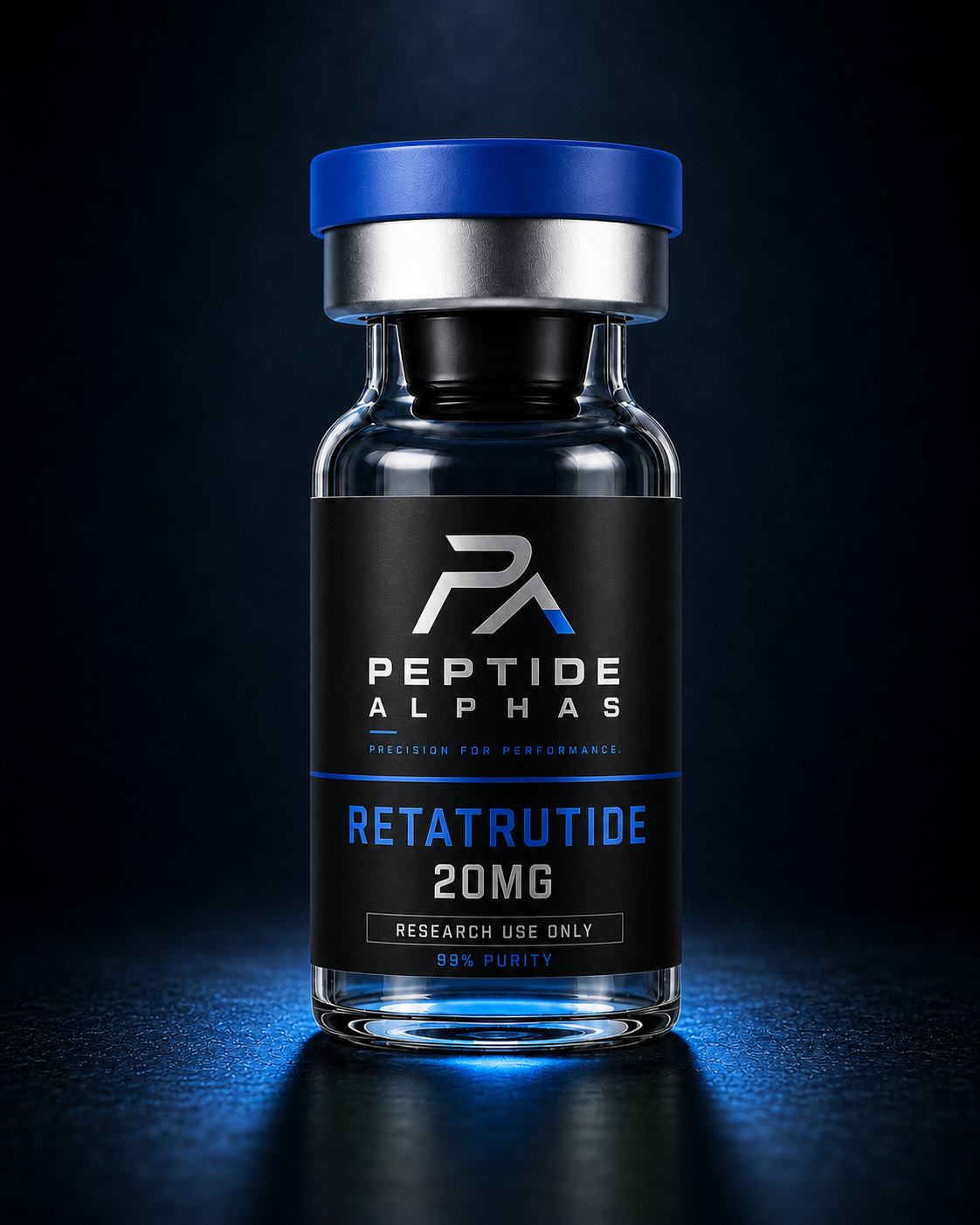
Researchers interested in the next generation of incretin pharmacology may also consider Retatrutide, a triple agonist targeting GIP, GLP-1, and glucagon receptors simultaneously. Retatrutide is available from Peptide Alphas and offers an experimental platform for investigating the additive effects of glucagon receptor co-activation beyond the dual incretin axis.
Frequently Asked Questions
Which compound shows greater efficacy in head-to-head research comparisons?
In direct comparisons from the SURPASS trial programme, Tirzepatide consistently achieved greater weight reduction and comparable or superior glycaemic control relative to Semaglutide. However, the answer depends on which endpoint is prioritized. For cardiovascular outcome research, Semaglutide offers a substantially more complete long-term evidence base. Researchers should define their primary endpoint before determining which compound's profile better serves their study design.
Can Tirzepatide and Semaglutide be used together in the same model?
Combining the two compounds is not well established in the published literature and presents interpretive challenges. Because Tirzepatide already incorporates GLP-1 receptor agonism within its dual-target scaffold, adding Semaglutide would introduce substantial receptor pathway redundancy. The more scientifically productive approach is typically to study each compound in independent cohorts or parallel groups, allowing for clean mechanistic attribution.
What are the recommended storage and stability parameters?
Lyophilized preparations of both compounds are generally stable for 12 to 24 months at -20°C when stored correctly. After reconstitution, solutions should be kept refrigerated and consumed within approximately four to six weeks. Specific stability data can vary by lot and synthesis source; always consult the certificate of analysis provided by the supplier.
How do the research costs of the two compounds compare?
Tirzepatide is generally associated with a higher per-unit cost than Semaglutide, reflecting the greater synthetic complexity of engineering a molecule with dual-receptor activity. When budgeting a study, researchers are advised to calculate total protocol cost across the full escalation schedule rather than comparing unit prices in isolation, as the higher absolute dose levels used with Tirzepatide affect total compound consumption.
Is either compound appropriate for studying cardiovascular endpoints?
Semaglutide is the more established choice for cardiovascular endpoint research, given that completed large-scale outcome trials have documented its effects on major adverse cardiovascular events. Tirzepatide cardiovascular data are accumulating and preliminary findings are encouraging, but the evidence base is less comprehensive. Researchers requiring a cardiovascular comparator with deep published reference data should favour Semaglutide for that application.
For research use only. Not for human consumption.
Research-grade peptides, documented.
99%+ purity, third-party Certificate of Analysis with every batch, discreet domestic shipping.
Browse Products